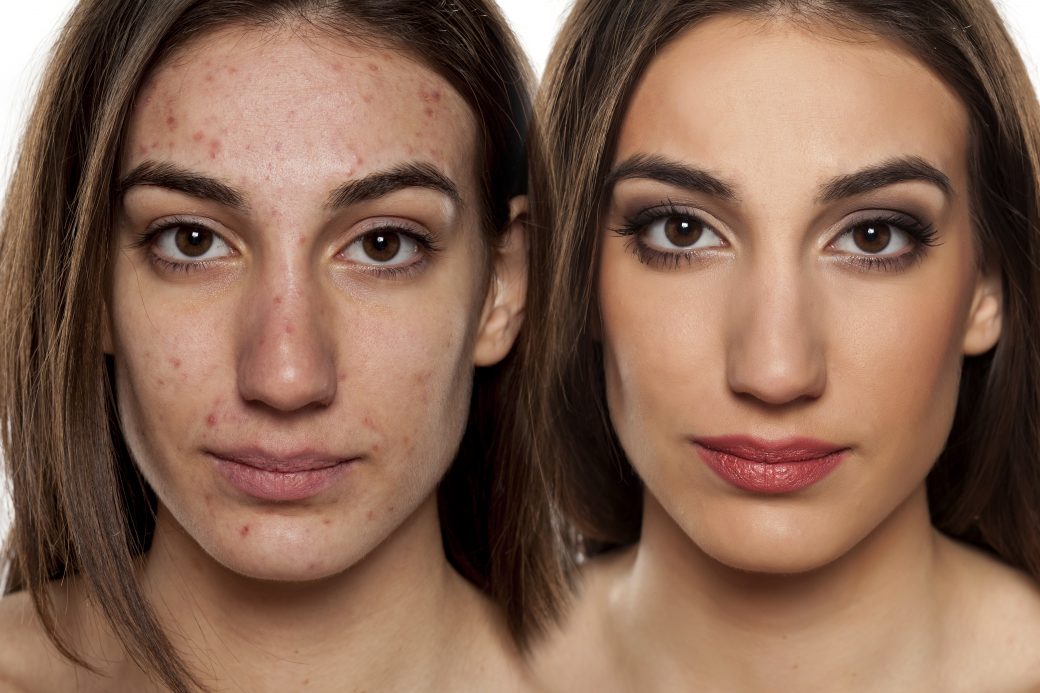
Tazarotene gel 0.05% is prescribed for both psoriasis and acne. As a retinoid related to vitamin A, it works by changing how skin cells grow and turn over, encouraging faster shedding of the outer layer while calming down the deeper inflammatory processes that drive breakouts. Many long-term users describe it as transformative for acne — almost like the skin is resetting itself overnight, gradually clearing up over weeks and months of consistent use. It’s meant for topical use only, and good hand hygiene (washing before and after application) is part of using it safely.
Unlike treatments that promise quick fixes, tazarotene is a slow-build medication. Its effects come from steadily altering the skin’s underlying biology rather than simply drying out or masking blemishes on the surface. That’s part of why long-term, real-world accounts of using it are so useful — they show what the process actually looks like month to month, including the rough patches, rather than just the end result.
One User’s Journey
Here’s a paraphrased account of one person’s long-term experience with tazarotene, shared on the original site:
The early years. The writer had struggled with cystic acne since their early teens — hormonal cysts along the jawline paired with a different type of breakout across the cheeks. This dual pattern is common: jawline cysts often track with hormonal fluctuations, while cheek breakouts can stem from a mix of factors like oil production, bacteria, and even things like phone contact or pillowcases. Over the years they tried a range of topical treatments and oral antibiotics without lasting success. Antibiotics in particular tend to lose effectiveness over time as bacteria develop resistance, which may explain why relief never stuck. By their early twenties, they’d become skilled at covering blemishes with makeup rather than treating them — a coping strategy familiar to a lot of long-term acne sufferers, who often spend years managing appearance rather than addressing the underlying cause.
Starting tazarotene. Eventually they came across tazarotene gel and decided to try it, likely after exhausting gentler options. The first six months were rough — they experienced nearly every side effect the medication is known to cause, which for tazarotene commonly includes redness, peeling, dryness, and stinging as skin adjusts to the accelerated cell turnover. That kind of adjustment period is typical with potent retinoids, even though it can feel discouraging in the moment. But eventually their skin cleared almost completely, with no active blemishes — a payoff that, by their account, made the difficult early months worth it. About a year later, some breakouts returned, though noticeably milder than before, which suggests the underlying skin condition hadn’t disappeared entirely but had become more manageable.
A major relapse and a new approach. Roughly five years after that, they had their worst flare-up yet — a reminder that acne, especially cystic or hormonal acne, can resurface even after long periods of clear skin. Working with a dermatologist this time, rather than self-treating, they were given a set of tretinoin cream samples at increasing strengths, with clear instructions: start with the weakest, use it for two weeks, then step up to the next strength. This kind of gradual titration is a common strategy dermatologists use to minimize irritation while still building up to an effective dose. Eventually they landed on their long-term prescription — Tazorac cream at 0.05%. It took a couple of months of consistent use, but their skin cleared again. They stayed on it for years, using it as a long-term maintenance treatment rather than a short course, until cost eventually became a barrier to refilling the prescription — a common issue with brand-name prescription retinoids, which can be expensive without insurance coverage.
Practical Takeaways
A few practical notes drawn from that experience and general guidance around the product:
- Tazarotene is effective for acne, but like other retinoids it’s drying — using just a pea-sized amount for the whole face, applied only at bedtime, tends to give the best balance of results and tolerability.
- The order you apply moisturizer relative to tazarotene doesn’t matter much — before or after both work. Stick with a gentle, moisturizing cleanser and skip physical scrubs, which can compound irritation.
- If your skin feels too dry or irritated, waiting about 10 minutes after applying tazarotene before layering on a moisturizer can help reduce that reaction. Some people also find it helpful to apply a moisturizer as a buffer before tazarotene when they’re just starting out, then gradually work up to applying it directly to bare skin as tolerance builds.
- Meaningful improvement in acne — along with some benefit to sun-damaged skin — typically takes around five to six months of consistent use, not days or weeks.
- Consistency matters more than intensity. The account above illustrates a pattern seen across many retinoid users: skipping applications or stopping and restarting tends to prolong the adjustment period, while steady nightly use (even at a lower strength) tends to get people to clear skin faster overall.
- Sun protection isn’t optional. Because tazarotene increases photosensitivity, daily sunscreen is a non-negotiable part of any routine that includes it — both to prevent sunburn and to protect the skin gains you’re working toward.
What a Typical Timeline Looks Like
Based on accounts like this one and general guidance around the medication, here’s roughly what to expect if you’re starting tazarotene for acne:
- Weeks 1–4: The “purge” or adjustment phase. Redness, peeling, dryness, and sometimes an initial worsening of breakouts as skin cell turnover accelerates. This is often the hardest part to push through.
- Months 2–3: Irritation typically starts to settle down as the skin builds tolerance. Some visible improvement in texture and tone may start to appear, though acne itself may still be present.
- Months 4–6: This is when most people start to see the clearer skin they were hoping for — fewer active lesions, fading of post-acne marks, and smoother overall texture.
- Beyond 6 months: For many people, especially those with chronic or hormonal acne, tazarotene becomes a long-term maintenance treatment rather than a finite course, similar to how it played out in the account above.
Common Questions
Can breakouts come back after tazarotene clears your skin? Yes — as illustrated above, it’s possible for acne to return after a period of clear skin, sometimes months or years later, particularly if the underlying triggers (hormones, genetics, stress) haven’t changed. That doesn’t mean the treatment failed; it may just mean maintenance use or a renewed course is needed.
Is it normal for side effects to be severe at first? Some degree of irritation is expected with a potent retinoid like tazarotene, but experiencing “nearly every side effect,” as described in the account above, is on the more intense end. If irritation is severe, a dermatologist can often adjust the strength, frequency, or accompanying skincare routine to make it more tolerable without abandoning treatment entirely.
Why would a dermatologist start someone on a weaker retinoid before tazarotene? Gradually stepping up strength — as happened in the relapse portion of the account above — is a common way to reduce the initial irritation phase while still working toward an effective long-term dose. It’s a strategy worth discussing with your own dermatologist rather than assuming you need to start at the highest strength right away.
As always, individual experiences with retinoids vary quite a bit, and working with a dermatologist to adjust strength and frequency over time (much like the step-up approach described above) tends to produce better, more sustainable results than trying to self-manage a high-strength retinoid from the start.