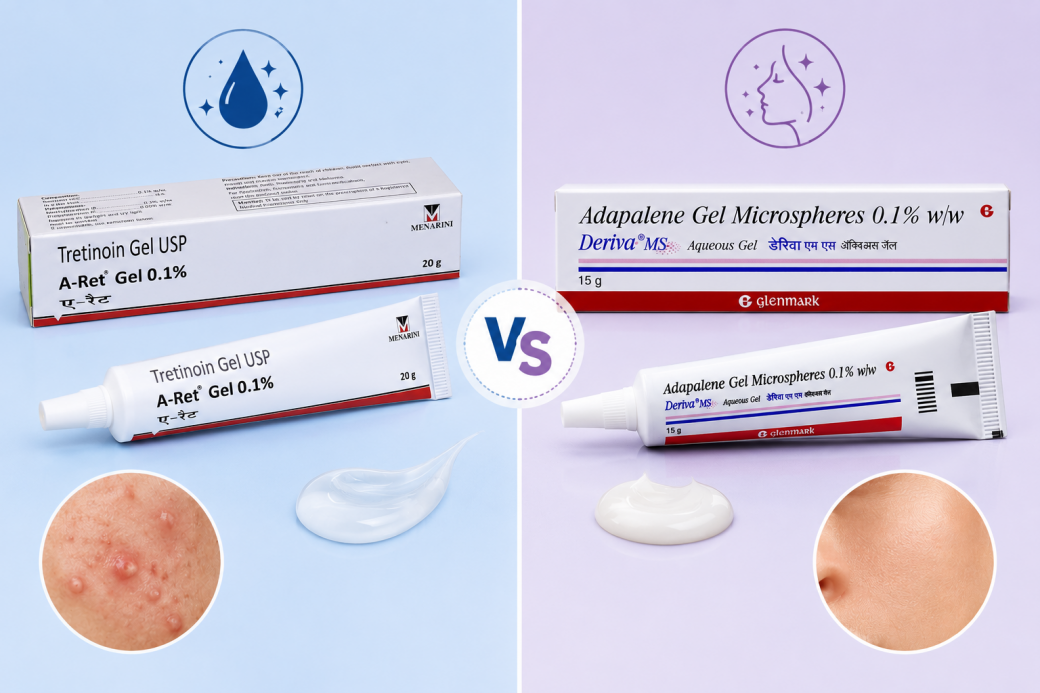
Adapalene and tretinoin are two of the most commonly recommended topical retinoids, and if you’ve spent any time researching acne treatment or anti-ageing skincare, you’ve likely run into both. Both are derived from vitamin A, both speed up skin cell turnover, and both have decades of clinical research behind them. But they aren’t identical — they differ in potency, availability, tolerability, and which specific concerns they address best.
Here’s a clear breakdown of how these two retinoids compare, so you can have a more informed conversation with your dermatologist or make a better choice for your skin.
What Is Adapalene?
Adapalene gel is a third-generation topical retinoid, specifically engineered to retain the effectiveness of earlier retinoids while significantly reducing irritation. It’s not simply a “weaker tretinoin” — it’s a distinct molecule designed from the ground up for better tolerability, and it works primarily by normalising skin cell turnover inside hair follicles, which prevents the buildup of dead skin cells that leads to clogged pores.
Key characteristics:
- Available over the counter at 0.1% strength (Differin Gel was the first OTC topical retinoid approved by the FDA, in 2016), with 0.3% and combination formulations available by prescription
- Has notable anti-inflammatory properties, making it particularly effective for inflammatory acne — the red, swollen bumps rather than just blackheads and whiteheads
- Is photostable, meaning it doesn’t degrade when exposed to light, which makes it somewhat more flexible with timing compared to tretinoin
- Also used for improving skin texture, reducing post-inflammatory hyperpigmentation, and — at the higher 0.3% strength — treating acne scarring, since it can help stimulate collagen production and cell turnover
What Is Tretinoin?
Tretinoin is a first-generation retinoid and one of the most extensively studied topical treatments in dermatology, with a research history spanning more than four decades. It works through the same broad mechanism as adapalene — increasing cell turnover and normalising how skin cells behave — but does so more forcefully by binding to retinoid receptors, triggering more dramatic changes in cell turnover, collagen production, and overall skin remodelling.
Key characteristics:
- Requires a prescription at every available strength (no OTC version exists in the US)
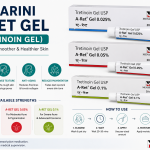
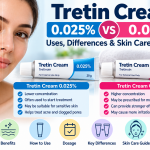
- Available in multiple concentrations (commonly 0.025%, 0.05%, and 0.1%), giving prescribers more room to tailor treatment to your skin’s tolerance
- Considered the more potent of the two, with a correspondingly higher likelihood of irritation, especially when starting out
- Has the deepest and longest-standing research base for anti-ageing use, including well-documented benefits for fine lines, wrinkles, and photoaging
- Breaks down when exposed to UV light, so it should always be applied at night, and daytime sun protection is essential
Effectiveness for Acne
This is where the research is fairly reassuring: multiple clinical comparisons have found adapalene and tretinoin to be similarly effective for treating both inflammatory and non-inflammatory acne. One large study following nearly 2,000 patients over 12 weeks found that 0.1% adapalene gel produced a significant reduction in acne lesions, performing comparably to other established treatments. Separately, research comparing adapalene 0.1% to tretinoin 0.025% has generally found the two to be about equally effective for acne, with adapalene causing less irritation.
That said, results aren’t uniform across all studies — at least one trial found somewhat faster initial improvement with tretinoin gel, suggesting it may act a bit more quickly for some people, even though both ultimately reach similar levels of overall effectiveness with consistent use.
Bottom line for acne: if your priority is a lower-friction, better-tolerated starting point, adapalene is often the more practical first choice, especially for milder to moderate inflammatory acne. If your acne is more stubborn or widespread, or if adapalene alone hasn’t worked well after a few months, tretinoin may offer additional benefit, particularly under a dermatologist’s guidance.
Effectiveness for Wrinkles and Anti-Aging
For photoaging and wrinkle reduction, the picture shifts somewhat in tretinoin’s favour. Tretinoin has a much longer and deeper research history specifically for anti-ageing use, with decades of studies supporting its ability to improve fine lines, skin texture, and collagen production. Some comparative research suggests tretinoin may outperform adapalene specifically for reducing the visible appearance of wrinkles, even though both retinoids share the same general cell-turnover mechanism that contributes to improved skin texture over time.
Adapalene isn’t without anti-ageing benefits — its effects on cell turnover and collagen stimulation can meaningfully improve skin texture, brightness, and the appearance of fine lines, and it may help fade post-acne hyperpigmentation. But if anti-ageing is your primary goal rather than a secondary benefit alongside acne treatment, tretinoin currently has the stronger evidence base.
Side Effects and Tolerability
Both retinoids cause a broadly similar range of side effects, largely tied to the skin’s adjustment period as cell turnover accelerates:
- Dryness, redness, and peeling at the application site
- A burning or stinging sensation, especially early in treatment
- Increased sun sensitivity, requiring diligent sunscreen use
- A temporary “purging” phase, where breakouts can briefly worsen before improving, as the skin adjusts to faster cell turnover
The meaningful difference is degree, not kind. Tretinoin is generally considered more irritating than adapalene, and this is one of the most consistent findings across comparative research. This is part of why many dermatologists start patients on adapalene first, reserving tretinoin for cases where a stronger effect is needed or where adapalene alone hasn’t produced adequate results.
Regardless of which retinoid you use, easing in gradually — for example, starting every other night rather than nightly — combined with a good moisturiser, tends to make the biggest difference in how comfortably your skin tolerates treatment.
Using Them Together (Or Not)
One important practical note: adapalene and tretinoin shouldn’t be used together. Combining two retinoids doesn’t meaningfully improve results and significantly raises the risk of excessive dryness, redness, and irritation. If you’re not seeing the results you want from one, the right move is usually to switch to the other (with your dermatologist’s guidance) rather than layering them, and to give any new retinoid a full 3-month trial before judging its effectiveness.
Both retinoids are sometimes combined with other active ingredients in single formulations — for example, some products pair adapalene with benzoyl peroxide for a combined antibacterial and retinoid effect, while some tretinoin formulations are blended with soothing ingredients like niacinamide or hyaluronic acid to offset irritation, particularly in anti-ageing formulations.
Cost and Accessibility
Adapalene is generally more accessible and affordable, largely because the 0.1% strength doesn’t require a prescription — you can pick it up at a pharmacy without an appointment or telehealth visit. Tretinoin, requiring a prescription at every strength, generally involves an extra step (and often an extra cost) of seeing a doctor or using a telehealth service before you can start treatment, though generic versions help keep the medication itself relatively affordable once prescribed.
It’s worth noting that neither retinoid is reliably covered by insurance when the primary goal is anti-ageing rather than acne treatment, since cosmetic indications are typically excluded from prescription coverage. If cost is a major factor and your main goal is treating active acne, that’s worth mentioning to your prescriber, since it may affect which option and strength they recommend.
Combining Retinoids With a Broader Skincare Routine
Whichever retinoid you choose, a few supporting habits make a meaningful difference in both comfort and results:
- Moisturise consistently. A simple, fragrance-free moisturiser applied after your retinoid (or even before, using the “buffering” technique) helps offset dryness without significantly reducing effectiveness.
- Sunscreen is non-negotiable. Both retinoids increase photosensitivity, and consistent daily SPF also helps protect the skin-texture improvements you’re working toward.
- Avoid other harsh actives at the same time. Introducing exfoliating acids, strong astringents, or additional active ingredients alongside a new retinoid increases the risk of irritation — space these out or introduce them one at a time.
- Be patient with the timeline. Both retinoids typically take 8 to 12 weeks to show meaningful results, with continued improvement over several months of consistent use.
How to Choose Between Them
A few practical questions can help point you in the right direction:
How sensitive is your skin? If you’ve had a hard time tolerating other active ingredients in the past, adapalene’s gentler profile makes it the easier starting point.
What are you primarily treating? For mild to moderate acne, especially inflammatory breakouts, adapalene is a strong first option. For more stubborn or widespread acne, or if anti-ageing and wrinkle reduction is your main goal, tretinoin’s stronger track record may make it worth the extra step of a prescription.
Do you want to avoid a doctor’s visit? Adapalene 0.1% is the only retinoid-strength option available without a prescription, which makes it the practical choice if you’d rather not schedule an appointment before starting.
Have you already tried adapalene without success? If several months of consistent adapalene use hasn’t produced the results you’re looking for, this is a reasonable point to discuss tretinoin with a dermatologist.
Regardless of which one you land on, both work far better when paired with sun protection and used consistently over months rather than days — retinoids are a long game, not a quick fix.
Frequently Asked Questions
Can I switch from adapalene to tretinoin, or vice versa? Yes — this is common, and many people try adapalene first, given its accessibility and gentler profile, then move to tretinoin later if a stronger effect is needed. It’s best to give either one a full 3-month trial before deciding to switch.
Is tretinoin always more effective than adapalene? Not necessarily. For acne specifically, research generally shows the two are similarly effective, with adapalene causing less irritation. Tretinoin has a stronger track record for wrinkles and photoaging.
Why is adapalene available over the counter but tretinoin isn’t? This reflects tretinoin’s higher potency and potential for irritation, along with the regulatory approval pathway each drug went through — adapalene 0.1% was specifically studied and approved for OTC use in 2016, while tretinoin has never gone through that process.
Do both cause the “purging” phase? Yes, both can cause a temporary increase in breakouts as skin adjusts to faster cell turnover, typically in the first few weeks of use. This isn’t a sign of failure — it usually resolves as treatment continues.
Can pregnant or breastfeeding individuals use either of these? Retinoids, including both adapalene and tretinoin, are generally not recommended during pregnancy or breastfeeding due to potential risks to fetal development. This is a conversation to have directly with your doctor before starting either medication.
The Bottom Line
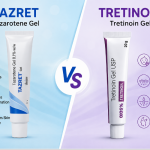
Adapalene and tretinoin both work through the same core retinoid mechanism, but they occupy different spots on the potency-and-tolerability spectrum. Adapalene offers a gentler, more accessible starting point that’s especially well-suited to inflammatory acne, while tretinoin brings a longer track record and generally stronger results for anti-ageing concerns, at the cost of more irritation and a mandatory prescription. For many people, the right approach is to start with adapalene and step up to tretinoin only if needed — ideally with a dermatologist’s guidance either way.
This article is for general informational purposes and isn’t a substitute for professional medical advice. Talk to a dermatologist to determine which retinoid — and which strength — is right for your skin.