If you’ve been researching acne treatments, especially in India and other parts of Asia, you’ve likely come across Adaferin Gel. It’s one of the most commonly prescribed topical retinoids for acne, and for good reason — it’s an effective, well-studied medication with decades of clinical backing. But like most retinoids, it comes with a learning curve: used correctly, it can transform acne-prone skin; used carelessly, it can leave your skin red, peeling, and irritated.
This guide covers everything you need to know about Adaferin Gel — what it is, how it works, how to use it properly, potential side effects, and how it compares to other acne treatments.
What Is Adaferin Gel?
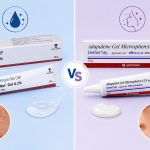
Adaferin Gel is a topical medication manufactured by Galderma, containing adapalene as its active ingredient. Adapalene is a third-generation synthetic retinoid — a compound chemically related to vitamin A, but engineered specifically to be more stable and better tolerated than older retinoids like tretinoin.
Adaferin is typically available in two strengths:
- Adaferin 0.1% Gel — the standard starting strength, suitable for most first-time users
- Adaferin 0.3% Gel — a stronger formulation, usually reserved for more resistant or widespread acne, and generally recommended only after the skin has built up some tolerance to the 0.1% version
It’s usually sold in a gel base, though some regions also carry cream formulations under the same brand, which tend to be slightly less drying for those with sensitive or dry skin.
How Does Adaferin Gel Work?
To understand why Adaferin is effective, it helps to understand what actually causes acne. Pimples, blackheads, and whiteheads form when dead skin cells don’t shed properly and instead clump together inside hair follicles, mixing with oil (sebum) to create a plug. This plug can become inflamed and infected with bacteria, leading to the redness and swelling associated with breakouts.
Adapalene, the active ingredient in Adaferin, works by:
- Normalizing skin cell turnover — it speeds up how quickly dead skin cells are shed, preventing them from clumping and clogging pores in the first place.
- Reducing inflammation — adapalene binds to specific retinoic acid receptors in the skin that help calm the inflammatory response involved in acne.
- Preventing new comedones (clogged pores) from forming — because of this, Adaferin is considered more of a preventive treatment than a reactive one. It won’t shrink an existing pimple overnight, but it stops the next one from forming.
This is a crucial point that trips up a lot of first-time users: Adaferin is not a spot treatment. It’s a nightly, ongoing regimen that gradually reshapes how your skin behaves over weeks and months.
What Is Adaferin Gel Used For?
Adaferin is primarily prescribed for:
- Acne vulgaris, particularly comedonal acne (blackheads and whiteheads)
- Mild to moderate inflammatory acne (papules and pustules)
- Post-acne texture and pore concerns, as a secondary benefit of increased cell turnover
- Off-label, some dermatologists also use low-strength adapalene for mild photoaging (fine lines, uneven texture), since it shares mechanisms with other anti-aging retinoids like tretinoin
It’s less effective as a standalone treatment for severe cystic or nodular acne, which usually needs a combination approach — often adapalene alongside benzoyl peroxide, a topical or oral antibiotic, or in more severe cases, oral isotretinoin, under a dermatologist’s supervision.
How to Use Adaferin Gel Correctly
The single biggest factor in whether someone has a good or bad experience with Adaferin comes down to how they use it, not just whether they use it. Here’s a step-by-step approach that minimizes irritation while still getting results.
Step 1: Start Slow
Don’t apply it every night from day one. Begin with two to three nights a week for the first two weeks, then gradually increase frequency as your skin builds tolerance. This process — sometimes called “retinization” — helps your skin adjust without becoming overwhelmed.
Step 2: Cleanse and Dry Completely
Wash your face with a gentle, non-stripping cleanser and wait until your skin is completely dry — ideally 15–20 minutes — before applying Adaferin. Applying it to damp skin increases penetration and, with it, irritation.
Step 3: Use a Pea-Sized Amount
A pea-sized amount is enough for the entire face. Dot it on the forehead, cheeks, chin, and nose, then spread it in a thin, even layer. More product does not mean faster results — it just means more irritation.
Step 4: Avoid Sensitive Areas
Keep the product away from the corners of the nose, mouth, and eyes, where skin is thinner and more prone to irritation.
Step 5: Moisturize
Follow up with a fragrance-free, non-comedogenic moisturizer once the gel has absorbed (or even mix a small amount of moisturizer with the gel for extra-sensitive skin — a technique sometimes called “buffering”).
Step 6: Sunscreen the Next Morning — No Exceptions
Adapalene increases photosensitivity, meaning skin can burn more easily. A broad-spectrum SPF 30+ sunscreen every morning isn’t optional; it’s part of the treatment.
What Results Should You Expect, and When?
This is where patience becomes essential. Adaferin is not a fast-acting treatment, and most people go through a somewhat uncomfortable adjustment period before seeing improvement.
- Weeks 1–4: Often the hardest phase. Many users experience a “purging” period, where existing microcomedones are pushed to the surface faster, temporarily making acne look worse before it gets better. Dryness, redness, and flaking are common.
- Weeks 4–8: Skin typically starts adjusting. Irritation decreases, and early improvements in texture and reduced new breakouts may become noticeable.
- Weeks 8–12+: This is usually when the real results show up — fewer blackheads and whiteheads, smoother texture, and a reduction in new breakout frequency.
Dermatologists generally recommend giving any retinoid, including Adaferin, a minimum of 12 weeks before deciding whether it’s working.
Common Side Effects
Because adapalene is one of the gentler retinoids on the market, side effects are usually mild-to-moderate and tend to fade with continued use. Common ones include:
- Dryness and flaking
- Redness or mild stinging, especially in the first few weeks
- Increased sun sensitivity
- Initial purging (temporary worsening of breakouts)
- Mild itching
Less common but worth watching for:
- Severe irritation, blistering, or swelling — this warrants stopping use and consulting a doctor
- Signs of an allergic reaction (rash, hives, difficulty breathing) — seek medical attention immediately if this occurs
Who Should Avoid Adaferin Gel?
Adaferin isn’t right for everyone. You should talk to a doctor before use, or avoid it altogether, if:
- You’re pregnant or breastfeeding. Like all retinoids, adapalene isn’t recommended during pregnancy due to potential risks to fetal development, and most doctors advise avoiding it while breastfeeding as well.
- You have eczema, rosacea, or very sensitive/compromised skin barrier, as retinoids can aggravate these conditions.
- You’re using other exfoliating or drying products simultaneously (like strong AHA/BHA acids or other retinoids) without medical guidance, as this significantly raises the risk of over-irritation.
- You have a known allergy to adapalene or any of the gel’s other ingredients.
Adaferin Gel vs. Other Acne Treatments
| Treatment | Type | Speed | Best For |
|---|---|---|---|
| Adaferin (Adapalene) | Retinoid | Slow (8–12 weeks) | Blackheads, whiteheads, prevention |
| Benzoyl Peroxide | Antibacterial | Fast (days–2 weeks) | Active, inflamed pimples |
| Salicylic Acid | BHA exfoliant | Moderate | Mild acne, oily/congested skin |
| Tretinoin | Retinoid (stronger, older) | Slow, often more irritating | Moderate-severe acne, anti-aging |
| Oral Isotretinoin | Systemic retinoid | Slow but comprehensive | Severe, cystic, treatment-resistant acne |
Compared to tretinoin, adapalene (and therefore Adaferin) is generally considered more stable in sunlight and slightly gentler on the skin, making it a common first-choice retinoid for people newly starting topical acne treatment.
Can Adaferin Be Combined With Other Products?
Yes, but with care:
- Benzoyl peroxide can be combined with Adaferin, often used at different times of day (e.g., benzoyl peroxide in the morning, Adaferin at night) to reduce combined irritation.
- Niacinamide and ceramide-based moisturizers pair well with Adaferin and can help offset dryness.
- Avoid combining with other retinoids, strong acids (glycolic, salicylic in high concentrations), or physical scrubs at the same time, as this significantly increases irritation risk.
- Vitamin C serums are generally fine but are best used in a separate routine (e.g., vitamin C in the morning, Adaferin at night) to avoid potential instability when layered directly.
Frequently Asked Questions
Is Adaferin the same as Differin? Both contain the same active ingredient, adapalene, but Adaferin is manufactured by Galderma primarily for markets like India, while Differin is the equivalent brand more commonly sold in the US and Europe.
Can I use Adaferin every day from the start? It’s not recommended. Starting too aggressively is the most common reason people experience severe irritation and quit before seeing results.
Will Adaferin help with acne scars? It can improve the appearance of superficial post-acne marks and texture over time due to increased cell turnover, but it’s not designed to treat deep, pitted scarring — for that, procedures like microneedling or laser treatments are usually more effective.
How long can I use Adaferin Gel? Many dermatologists recommend long-term, ongoing use — even after acne clears — as a maintenance and prevention strategy, since retinoids also offer skin-texture and anti-ageing benefits over time.
Final Thoughts
Adaferin Gel is a well-established, effective option for anyone dealing with acne — particularly comedonal acne and general breakout prevention. Its biggest strength is also its biggest challenge: it works gradually and requires consistency, patience, and a gentle approach to avoid unnecessary irritation. Starting slow, moisturizing well, and committing to daily sunscreen are the three habits that make the biggest difference in how smoothly your skin adjusts.
As with any prescription-strength skincare treatment, it’s best used under the guidance of a dermatologist, who can confirm it’s the right fit for your skin type and acne severity, and adjust the strength or frequency as needed.
This article is intended for general informational purposes only and does not replace professional medical advice. Always consult a dermatologist or doctor before starting a new skincare treatment, especially if you are pregnant, breastfeeding, or have an existing skin condition.