Decoding Hydroquinone and Its Uses
When the weather heats up and days get longer, the chances of dark spots or patchy discoloured spots on the skin increase. The warm weather can take a toll on our skin and can cause hyperpigmentation. It is a condition in which the melanin pigment production increases along with the density of active melanocytes. Thus, there is an abnormal distribution of melanin along with the exogenous pigments. Melanin is a pigment that gives colour to our skin, eyes, and hair and is produced by melanocytes.
Situations such as pregnancy, hormonal changes, exposure to UV radiation, acne, medication side effects, and inflammation are key causes of excessive skin pigmentation.
Do we have a solution to Hyperpigmentation?
There is no magic wand to get rid of it, but we have treatments that can lighten the skin. If we think of any skin lightening treatment, one can’t ignore Hydroquinone. It is one of the most widely accepted treatments for hyperpigmentation as a skin-lightening agent, making the skin tone more even and lighter.
It is used off-label as a topical lightening agent for disorders like hyperpigmentation, including melasma, postinflammatory hyperpigmentation, sunspots, and freckles.
Hydroquinone as a depigmentation cream
Over-the-counter 2% hydroquinone cream is considered the most effective treatment. Hydroquinone is used to treat persistent dark spots, as prescribed by the doctor, to overcome them.
Mode of Action
It works by inhibiting the enzyme tyrosinase, which converts tyrosine to dihydroxyphenylalanine, thereby helping fade brown spots. It limits excessive melanin production and its clustering in the skin. It produces desirable results within two to three months if applied religiously.
How to get most of it?
The healing process is quite slow and requires a lot of patience. Excessive pigmentation does not happen overnight; it takes years for melanin pigment to cluster and change the skin colour. Similarly, hydroquinone takes the time to lighten the skin and gives an even skin tone by hiding the blemishes or dark spots:
- Be cautious of a few factors that can expedite the process of healing and help the medicine to produce the desired
- Avoid sunlight exposure by using sunscreen with an SPF of at least 50. This will help to lighten the skin and increase the effect of hydroquinone.
- Always reapply the sunscreen before going out in the sun. Carry an umbrella or cover your hyperpigmented area with a cloth that does not absorb sun rays. The sunscreen, having soothing ingredients such as zinc oxide, should be used.
- You have to look after your skin, along with the medication, to lighten dark, stubborn spots.
- Keep yourself hydrated by drinking plenty of water and applying water-based preparations and carrier oils.
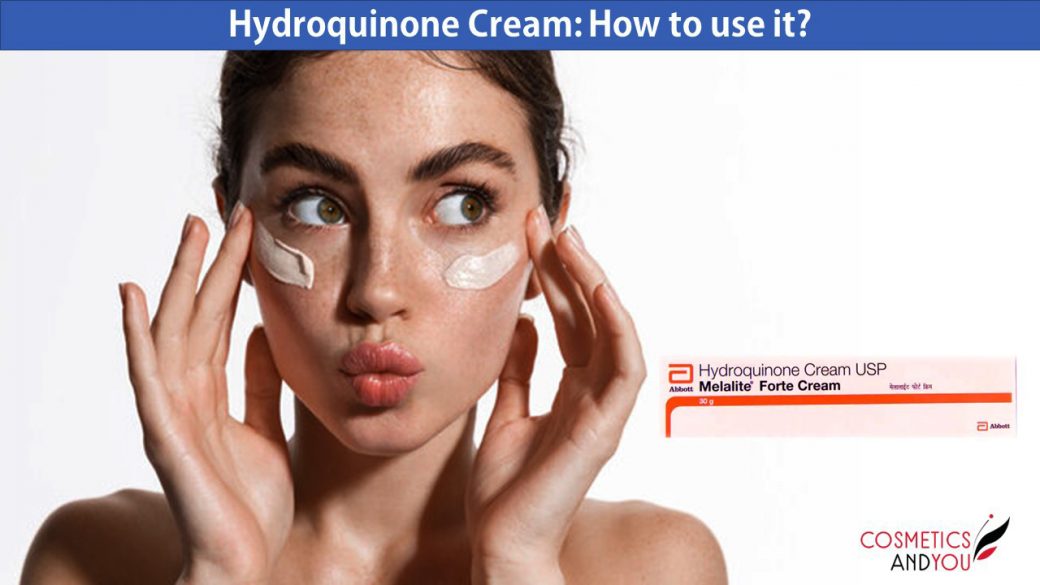
How to take Hydroquinone?
- It is a topical medicine applied to the skin and is not meant to be ingested.
- Always apply to the affected area and rub it in a circular manner in a gentle way with the index finger
- Don’t apply near eyes, mouth, nose or other areas of sensitive skin.
- Apply at different intervals of the day, but don’t exceed the recommended dose.
Other uses
- It is used in black and white photography, X-ray films and lithography
- Intermediate in the production of antioxidants for rubber and food
- Stops polymerisation during shipping, storage, and processing
Hydroquinone is a mainstay in the management of melasma and hyperpigmentation. It is a bleaching agent that lightens dark areas, which can cause skin problems like pimples, blemishes, dark pigmentation, and acne scars. However, conditions such as malignancy and ochronosis have been reported with the use of hydroquinone. Under physician supervision, the prescribed dose of topical hydroquinone poses a lower risk of malignancy or ochronosis than the unapproved formulation. Education about the proper use of medicine, along with its side effects, is a must for the patient as there is a decrease in drug abuse and misuse.