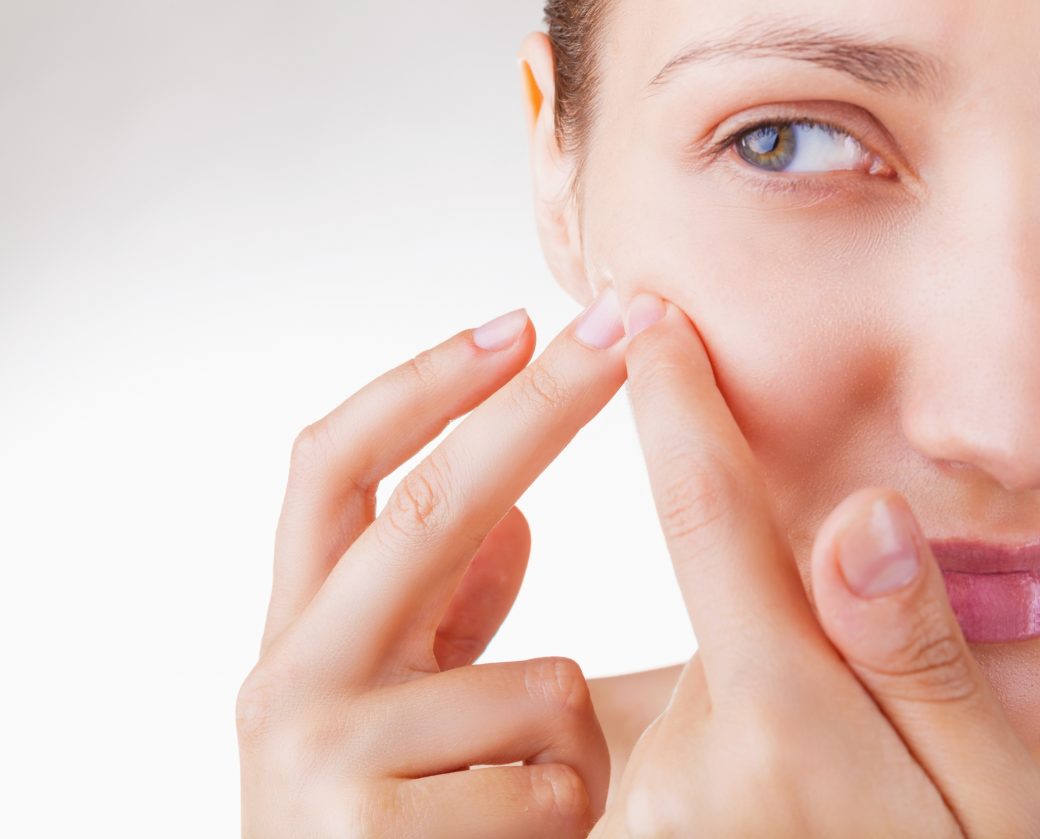
Everyone dreams of flawless, spotless skin, and using a chemical peel to address skin conditions is not new. We use various products to keep our skin healthy & clean, and we use others to address acne vulgaris and other topical issues. Salicylic Acid Cream is one such product that provides an excellent solution for clearing skin blemishes with care.
Dealing with the Skin Conditions
Facing minor skin conditions such as acne, bumps, pimples, blackheads, whiteheads, and sunspots is very common. Generally, we ignore these conditions unless they have a significant emotional and social impact. Acne vulgaris is a common cutaneous disorder of the pilosebaceous follicle that affects more than 90% of all adolescents. Typically, the lesions are pleomorphic, including open and closed comedones as well as inflammatory papules, pustules, cysts, nodules, and scarring. These conditions may significantly affect your self-esteem.
On the other hand, many people use chemical products such as glycolic acid, salicylic acid, and lactic acid. There is nothing wrong with a beauty product containing such substances if it’s helping your skin type. Topical Salicylic Acid can heal acne by reducing skin swelling and redness. It can unplug clogged skin pores, allowing pimples to shrink. Salicylic Acid has proven effective for various skin conditions, regardless of skin complexion or race.
Use of Chemical Beauty Products
Chemical peeling refers to the application of a chemical agent to the skin. Such a chemical contact may cause minor or major destruction of a limited or entire epidermis. Chemical peeling can also cause skin exfoliation, paving the way for the regeneration of new epidermal and dermal tissues. Usually, peeling is considered a simple and effective procedure to rejuvenate the skin, while newer techniques like laser therapy and plastic surgery carry risks and are not affordable for everyone. Salicylic Acid is widely used and heals many common dermatological conditions because of its keratolytic properties.
What Salicylic Acid Contains
Salicylic Acid is the only member of the beta-hydroxy acid family which has keratolytic properties. Its lipid-soluble nature allows it to interact with multilamellar structures surrounding keratinocytes in the stratum corneum and in the hair follicle. Moreover, Salicylic Acid is a hydroxyl derivative of benzoic acid, and it represents a carboxylic acid attached to an aromatic alcohol, phenol. That’s why it proves effective in treating comedonal and inflammatory acne, as well as post-inflammatory pigmentation of the skin. The Salicylic Acid cream is available in various strengths ranging from 0.5% to 30%.
How to use Salicylic Acid
Use Salicylic Acid under the direction of your dermatologist, who can tell you about the ideal amount of Salicylic cream that suits your skin. Usually, this cream is applied with a pad or cotton ball. Salicylic Acid products come with instructions, so try to follow them for proper application and positive results.
When to apply Salicylic Acid Cream:
Application frequency varies by person. It may be used as frequently as several times a day or several times a week, depending on the severity of the skin condition. Your dermatologist can explain how much and how many times you should apply the Salicylic Acid–containing product to avoid excessive use. Remember that overuse of this cream increases the risk of absorption through the skin, which could be harmful.
Precautions
You have to be careful while applying this cream and take some safety measures to avoid any unwanted skin conditions. Some of its precautionary measures include:
- Do not use Salicylic Acid preparations for children under 3 years old.
- Using Salicylic Acid during pregnancy is not recommended in order to avoid any potential risk to the fetus.
- A nursing mother should not use this cream on the chest, as it could increase the risk of accidental contamination of the child.
- Tell your dermatologist if you are allergic to Salicylic Acid cream or any other beauty products made of salicylic acid with other ingredients.
- You should check the package label for a list of the ingredients before using the product.
- Avoid any other topical agents that include benzoyl peroxide, topical retinoids, and calcipotriol along with salicylic acid.
Side Effects of Salicylic Acid:
There are some possible, but minimal, side effects of topical Salicylic Acid. Some of these side effects include:
- Skin irritation
- Stinging in the area where you applied topical salicylic acid
- Swelling or redness
- Itching
It’s very rare to experience severe allergic effects of the topical Salicylic Acid. However, serious reactions, including anaphylaxis, have been reported in some cases. Other allergic effects include confusion, diarrhoea, rapid breathing, continuous ringing or buzzing in the ears, nausea, vomiting, dizziness, headache, and severe drowsiness.
Salicylic Acid offers better results:
According to the study, Salicylic Acid offers better results for repairing skin conditions than lactic acid. The research study on the application of Salicylic Acid (30%) and lactic acid peel (85%) was carried out at the Dermatology, Venereology and Andrology Department, Assiut University Hospitals, between December 2010 and February 2012. The Institutional Ethics approved the study design.
Researchers found that patients with mild acne showed excellent improvement in 30% of cases, good improvement in 50%, and fair improvement in 20% after using Salicylic Acid cream. On the other hand, the same people who used lactic acid on the other side of the face showed 15% excellent improvement, 35% good improvement, and 30% fair improvement.
It’s also important to note that most patients experienced adverse reactions, such as a burning sensation lasting a few minutes, after using both solutions. None of the patients experienced post-inflammatory hyperpigmentation.
Available in different brands
Salicylic Acid cream for repairing skin conditions is available over-the-counter under different brand names. You should check the ingredient list to ensure that the skin care product you are using contains Salicylic Acid. Consult your dermatologist to know more about this product.