Tretinoin is well known for its ability to fight acne, reduce signs of ageing, and fade pigmentation. With different strengths available, understanding their differences can be challenging. In this article, we will explore what tretinoin is, the strengths available, and explain how to compare them to select the right concentration for your skin type and goals.
An understanding of tretinoin
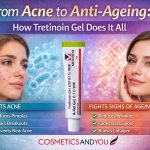
Tretinoin is considered one of the most powerful and widely used agents in skincare treatments. It is a topical retinoid derived from vitamin A to treat acne, fine lines, dark spots, and texture irregularities. It acts by boosting skin cell turnover and collagen production, preventing pore clogging. Approved by the US Food and Drug Administration, tretinoin has become a gold-standard treatment for acne, ageing, and overall skin rejuvenation. It is commonly sold under the brand names Retin-A, Retin, and Tretin.
Tretinoin Strengths: An Overview
Tretinoin is a prescription-strength skin formulation available in different concentrations and formulations. The common strengths are 0.025%, 0.05%, and 0.1%. Here, the percentage is the concentration of the active ingredient in the formula. A higher concentration is not always better; it indicates greater potency and often an increased risk of irritation. The best strength will be determined by skin type, skin sensitivity, primary skin concerns (acne vs wrinkles), previous retinoid experience, and tolerance. Most individuals will benefit from beginning with a lower strength and gradually increasing it as the skin develops tolerance. Start consulting a dermatologist to receive dosage recommendations for your specific skin type and concerns.
A range of factors influences your dermatologist’s decision on which tretinoin strength to start with. Usually, the lowest dose is recommended for those with sensitive skin or beginners to tretinoin. However, individuals with a history of retinoid use and tolerance to this active skincare agent may be prescribed a higher strength. Generally, treatment begins with the lowest dose and gradually increases over time. However, not everyone will need to reach the highest dose of 0.1% tretinoin, either because they do not need it (they may achieve significant improvement with the lowest dose) or because their skin can’t tolerate it. Therefore, the optimal strength to begin or continue for a while mainly depends on your skin condition and tolerance. Moreover, tretinoin is available in various formulations, including creams (best for normal to dry skin), gels (ideal for oily or acne-prone skin), and microsphere gels (which offer slow-release tretinoin for better tolerance). Here is a comprehensive guide, for information purposes, explaining which tretinoin strength to use based on your skin type or the concern you want to address.
- Tretinoin 0.025%: It is one of the common prescription strengths of tretinoin. It equally provides effectiveness and tolerability. The lowest strength is generally recommended for mild to moderate acne, early signs of ageing, and uneven skin tone. With Tretinoin 0.025% Gel, noticeable improvement occurs within o 12 weeks, and the side effects are manageable for most users. For most individuals considering tretinoin treatment, it can begin at this strength and continue for a longer period.
- Tretinoin 0.05%: It is the most frequently prescribed concentration for managing both acne and wrinkles. The retinoid formulation at this strength is ideal for moderate to persistent acne, fine lines/wrinkles, hyperpigmentation, and textural irregularities. The Tretinoin 0.05% gel strength offers strong collagen production, significant acne reduction, and faster results.
- Tretinoin 0.1%: This is the highest concentration, delivering powerful effects but often requiring careful use. It is especially recommended for severe acne, deep wrinkles, and thick, oily skin. The
The Tretinoin 0.1% Gel formulation has been found effective for stubborn breakouts.
Higher strength works better: A myth or a fact?
The idea that using higher strength yields better results is a common misconception. The truth is that the optimal tretinoin strength varies depending on an individual’s skin concern and tolerance. Although the higher strengths are more effective and may offer rapid or more pronounced results, they also carry an increased risk of adverse effects. This is why dermatologists always recommend a low initial dose, especially for someone with sensitive skin or who is new to tretinoin.
Takeaway!
The goal is to find the lowest concentration that effectively addresses all your skin concerns while causing the least amount of irritation. In addition, consistency is key to achieving results with tretinoin. This is regardless of the strengths. Over time, even low strengths can lead to significant improvements in acne, fine lines, skin texture, and other signs of ageing.