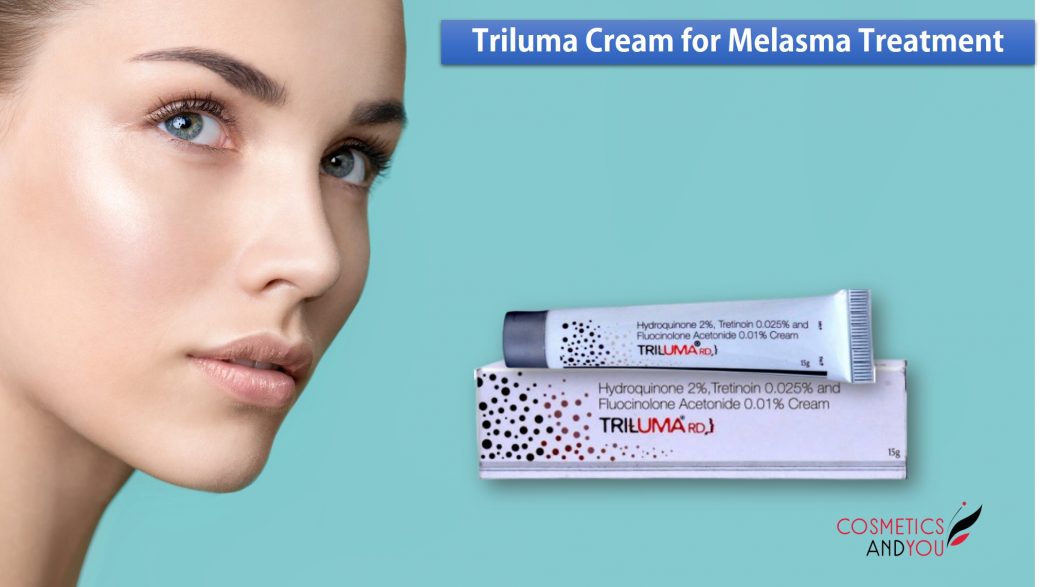
Melasma is one of the most frustrating skin conditions to treat — not because it’s dangerous, but because it’s persistent, often triggered by things outside your control, and prone to coming back even after it fades. For many people dealing with stubborn brown or gray-brown patches on the face, Triluma cream has become a go-to prescription option, largely because it tackles the problem from more than one angle at once.
This article walks through what actually causes melasma, why it’s so hard to manage long-term, and how Triluma fits into a broader treatment and skincare strategy.
What Exactly Is Melasma?
Melasma shows up as flat, brownish or grayish-brown patches, most commonly on the cheeks, forehead, bridge of the nose, upper lip, and chin. It’s far more common in women than men and tends to affect people with medium to darker skin tones more visibly, largely because those skin types naturally produce more melanin in response to triggers.
Unlike a rash or an infection, melasma isn’t caused by anything attacking the skin — it’s the result of pigment-producing cells called melanocytes becoming overactive and producing excess melanin in specific areas.
What Causes Melasma?
The exact root cause of melasma still isn’t fully understood, but dermatology research has identified several strong contributing factors:
Genetics and family history. People with a family history of melasma are considerably more likely to develop it themselves, suggesting a genetic predisposition to how melanocytes respond to triggers.
Hormonal changes. Melasma is closely tied to fluctuations in estrogen and progesterone. This is why it’s so strongly associated with pregnancy — often nicknamed the “mask of pregnancy” — as well as with hormonal birth control. Estrogen-containing contraceptives, in particular, are a well-recognised trigger.
Sun exposure. Ultraviolet light is arguably the single biggest driver of both the onset and the recurrence of melasma. UV rays stimulate melanocytes directly, increasing pigment production even in skin that hasn’t been previously affected. This is also why melasma tends to worsen in summer months and in sunnier climates, and why sun exposure is the most common reason melasma returns after successful treatment.
Heat and visible light. Emerging research suggests that even visible light and heat — not just UV rays — may contribute to melasma, which is part of why some dermatologists now recommend tinted, mineral-based sunscreens that block visible light in addition to standard UV protection.
Because so many of these triggers are hormonal or environmental rather than something you did “wrong,” melasma isn’t something to blame yourself for — but it is something that requires a consistent, long-term management strategy rather than a one-time fix.
Why Melasma Is So Difficult to Treat
There’s an important distinction to understand: melasma can be managed and significantly faded, but there currently isn’t a permanent cure. Even after successful treatment, the underlying tendency toward overactive pigment production doesn’t disappear — which is why melasma so often returns, particularly after sun exposure, pregnancy, or stopping hormonal birth control.
This is also why single-ingredient treatments often fall short. A product that only inhibits melanin production, for example, doesn’t address the skin cell turnover or inflammation that also play a role in how visible and stubborn the pigmentation becomes. This is precisely the gap that combination treatments like Triluma were designed to fill.
What Is Triluma Cream?
Triluma (also marketed as Tri-Luma) is a prescription triple-combination cream built around three active ingredients working together:
- Hydroquinone — reduces melanin production by inhibiting the enzyme responsible for pigment synthesis
- Tretinoin — a retinoid that speeds up cell turnover, helping shed pigmented skin cells faster while also improving how well the other ingredients penetrate the skin
- Fluocinolone acetonide — a mild corticosteroid that reduces the inflammation and irritation the other two ingredients can otherwise cause
The combination matters because each ingredient compensates for a weakness in the others. Hydroquinone alone can be slow and mildly irritating. Tretinoin alone often causes more redness and peeling than most people can comfortably tolerate long-term. By pairing both with a low-strength steroid, Triluma is designed to be more effective and better tolerated than using any single ingredient in isolation.
How Triluma Helps With Melasma Specifically
Triluma’s triple-action approach addresses melasma from multiple directions at once rather than relying on a single mechanism:
- It slows down new pigment formation at the source (hydroquinone).
- It accelerates the shedding of existing pigmented cells (tretinoin).
- It calms the inflammatory response that can otherwise worsen pigmentation or slow healing (fluocinolone).
Clinical use has shown that this combination tends to produce faster, more noticeable improvement than bleaching creams that rely on hydroquinone alone. Many patients begin to notice initial improvement within 2 to 4 weeks, with more substantial fading typically visible by 3 to 4 months of consistent, correctly guided use.
Because of the corticosteroid component, Triluma isn’t intended for indefinite daily use. Dermatologists typically prescribe it for a defined treatment window — often around 8 weeks — followed by reassessment and, if needed, a switch to gentler maintenance products.
Getting the Most Out of Triluma Treatment
A few practices make a meaningful difference in both results and comfort while using Triluma:
- Apply it exactly as directed, typically once daily in the evening, to clean, dry skin.
- Use a thin layer limited to the affected areas — more product doesn’t speed up results, only irritation.
- Moisturize regularly to offset the dryness that tretinoin and hydroquinone can cause.
- Avoid harsh cleansers, scrubs, or additional active ingredients that could compound irritation while your skin adjusts.
- Follow your dermatologist’s guidance on duration rather than continuing use indefinitely on your own.
Why Sun Protection Is Non-Negotiable
No melasma treatment — Triluma included — can outpace consistent, unprotected sun exposure. Since UV light is one of the primary triggers for melanocyte activity, skipping sunscreen essentially works against the treatment in real time.
For anyone using Triluma or managing melasma generally, a few sun-protection habits matter most:
- Use a broad-spectrum sunscreen that protects against both UVA and UVB rays, with an SPF of 30 or higher.
- Choose a mineral-based sunscreen containing zinc oxide or titanium dioxide when possible, since these physically block UV rays and may offer better protection against the visible light that can also worsen melasma.
- Reapply every two to three hours when outdoors, not just once in the morning.
- Add physical barriers — a wide-brimmed hat, sunglasses, and long sleeves — especially during peak sun hours.
- Stay in the shade when possible, particularly during midday when UV exposure is strongest.
- Keep up sun protection even after melasma fades, since stopping sunscreen is one of the most common reasons pigmentation returns.
Other Lifestyle Adjustments Worth Considering
Beyond sunscreen and prescription treatment, a few additional factors can support (or undermine) melasma management:
- Reevaluate hormonal birth control. If estrogen-containing contraceptives appear to be contributing to your melasma, a conversation with your doctor about lower-dose or non-hormonal alternatives may be worthwhile.
- Simplify your skincare routine. Fragranced products, harsh exfoliants, and anything that irritates the skin barrier can aggravate melasma and interfere with treatment.
- Be patient with pregnancy-related melasma. Pigmentation triggered by pregnancy often fades naturally postpartum, though it can also persist and require treatment afterwards.
- Expect a long-term relationship with management, not a one-time cure. Even after clearing, many people need occasional maintenance treatment and consistent sun protection to keep melasma from resurfacing.
Working With a Dermatologist
Because melasma responds differently from person to person — and because Triluma includes a corticosteroid that requires appropriate dosing and duration — professional guidance matters more here than with typical over-the-counter skincare. A dermatologist can:
- Confirm that what you’re seeing is actually melasma and not another form of hyperpigmentation
- Determine whether Triluma is appropriate for your skin type and medical history
- Set a realistic treatment timeline and monitor for side effects
- Recommend a maintenance plan once the initial treatment course ends
The Bottom Line
Melasma is a manageable but persistent condition, driven largely by genetics, hormones, and sun exposure — factors that don’t disappear just because the visible pigmentation fades. Triluma cream offers one of the more effective prescription options available, precisely because it combines three complementary mechanisms — melanin suppression, accelerated cell turnover, and inflammation control — into a single, dermatologist-guided treatment.
Used correctly, alongside strict sun protection and a gentle skincare routine, Triluma can meaningfully fade even stubborn, long-standing melasma. But because of its potency and the need for a defined treatment window, it’s best approached as part of a broader, professionally guided plan rather than a standalone fix.
This article is for general informational purposes only and is not a substitute for professional medical advice. Always consult a qualified dermatologist before starting, stopping, or modifying any prescription skincare treatment.