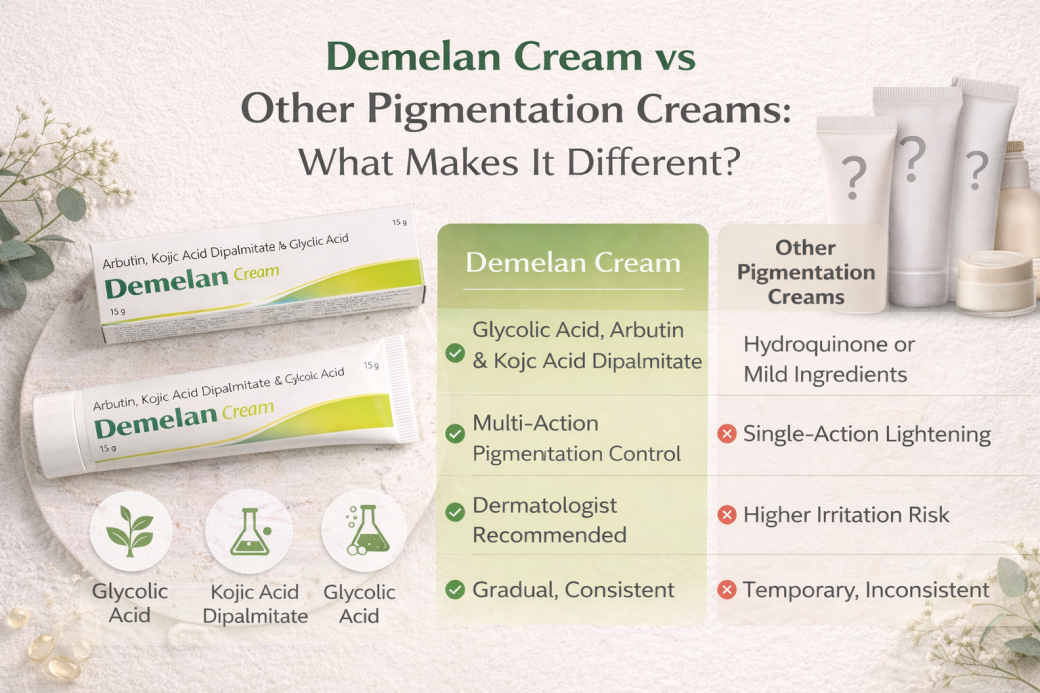
Hyperpigmentation is one of the most common skincare concerns worldwide. From melasma and sunspots to acne scars and uneven skin tone, pigmentation issues can affect people of all ages and skin types. While there are countless creams marketed as “skin lightening” or “brightening,” not all pigmentation treatments are created equal. One product that often stands out in dermatologist-recommended routines is Demelan Cream.
This article compares Demelan Cream with other pigmentation creams, explaining what sets Demelan apart, how it works, and who may benefit most from using it.
Understanding Pigmentation and Why Treatment Matters
Pigmentation occurs when melanocytes produce excess melanin in response to triggers such as:
- Sun exposure
- Hormonal changes
- Acne and skin inflammation
- Aging
- Certain medications
Effective treatment must do more than temporarily lighten the skin. It should address melanin production, promote skin renewal, and prevent future discolouration—without causing irritation or rebound pigmentation.
Common Types of Pigmentation Creams in the Market
Before understanding what makes Demelan Cream different, it helps to look at the major categories of pigmentation treatments commonly available.
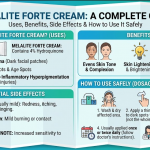
1. Hydroquinone-Based Creams
Hydroquinone has long been considered a gold standard for treating hyperpigmentation. It works by suppressing melanin production.
Limitations:
- Risk of skin irritation
- Not recommended for long-term use
- Potential rebound pigmentation
- Regulatory restrictions in several countries
2. Kojic Acid–Only Creams
Kojic acid inhibits tyrosinase, an enzyme involved in melanin synthesis.
Limitations:
- Can cause sensitivity and redness
- Less effective when used alone
- Results may be slow or inconsistent
3. Azelaic Acid Creams
Azelaic acid is commonly used for acne-related pigmentation and rosacea.
Limitations:
- Mild effect on deeper melasma
- Requires prolonged use
- May not address multiple pigmentation pathways
4. Cosmetic Brightening Creams
Many over-the-counter products rely on botanical extracts or mild exfoliants.
Limitations:
- Mostly surface-level results
- Temporary brightness rather than true depigmentation
- Minimal effect on chronic conditions like melasma
What Is Demelan Cream?
Demelan Cream is a dermatologist-formulated depigmenting cream designed to treat melasma, dark spots, acne marks, and uneven skin tone. Unlike single-ingredient products, Demelan combines multiple scientifically proven actives that work together to target pigmentation at different levels.
Rather than bleaching the skin, Demelan focuses on controlled melanin reduction and skin renewal, making it suitable for long-term pigmentation management under medical guidance.
Key Ingredients That Set Demelan Cream Apart
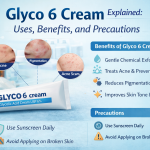
1. Glycolic Acid – Gentle Chemical Exfoliation
Glycolic acid helps:
- Remove dead, pigmented skin cells
- Improve skin texture
- Enhance penetration of other active ingredients
- Speed up visible results
Many pigmentation creams lack exfoliating agents, limiting their effectiveness on stubborn dark patches.
2. Arbutin – Safe Melanin Control
Arbutin is a plant-derived compound that:
- Inhibits tyrosinase activity
- Reduces melanin production safely
- Helps lighten existing pigmentation gradually
Unlike hydroquinone, arbutin offers a safer profile for longer-term use.
3. Kojic Acid Dipalmitate – Stable & Less Irritating
This stabilised form of kojic acid:
- Suppresses excess melanin
- Improves skin brightness
- Causes less irritation than regular kojic acid
When used correctly, Demelan Cream is suitable for individuals with pigmentation-prone or sensitive skin.
How Demelan Cream Works Differently
Multi-Pathway Pigmentation Control
Most pigmentation creams focus on a single mechanism. Demelan Cream:
- Reduces melanin production
- Accelerates the removal of pigmented cells
- Prevents new discolouration
- Improves overall skin clarity
This multi-action approach is especially beneficial for complex conditions like melasma.
Gradual, Controlled Depigmentation
Demelan Cream avoids harsh bleaching. Instead, it:
- Lightens pigmentation progressively
- Reduces the risk of rebound darkening
- Allows skin to adapt naturally
This makes it more suitable for chronic pigmentation issues.
Dermatologist-Oriented Formulation
Unlike cosmetic brightening creams, Demelan is:
- Often prescribed by dermatologists
- Used as part of structured treatment plans
- Backed by clinical experience rather than marketing claims
Who Should Choose Demelan Cream?
Demelan Cream may be a good option for:
- Individuals with melasma
- People with acne marks or sun spots
- Those experiencing uneven skin tone
- Users seeking dermatologist-guided pigmentation treatment
Who May Need Alternatives?
- Pregnant or breastfeeding women (unless prescribed)
- Individuals with extremely sensitive skin
- Those with open wounds or active skin infections
How to Use Demelan Cream Safely
- Apply a thin layer at night on clean, dry skin
- Use only on pigmented areas
- Always apply sunscreen during the day
- Avoid combining with harsh exfoliants
- Follow the dermatologist’s advice for the duration
Sun protection is non-negotiable. Without sunscreen, pigmentation may worsen despite treatment.
Expected Results Timeline
- 2–4 weeks: Improved skin texture and mild brightening
- 6–8 weeks: Noticeable fading of dark spots
- 12 weeks: More even skin tone with continued improvement
Melasma is chronic, so maintenance is essential.
Final Verdict: What Makes Demelan Cream Different?
Demelan Cream stands out because it:
- Targets pigmentation from multiple angles
- Balances effectiveness with safety
- Reduces the risk of rebound pigmentation
- Is trusted by dermatologists worldwide
While no pigmentation cream offers instant or permanent results, Demelan Cream provides a well-rounded, science-backed approach to managing melasma and uneven skin tone when used consistently and responsibly.
Medical Disclaimer
This content is for informational purposes only and does not substitute professional medical advice. Always consult a qualified healthcare provider before starting any pigmentation treatment.