In the vast world of skincare, few ingredients improve overall skin. One such wonder is tretinoin, revered by dermatologists and beauty influencers. Tretinoin gel has become a cornerstone in skincare routines. But how tretinoin works, dermatologists trust it, and how it successfully addresses multiple skin concerns.
Understanding of tretinoin gel
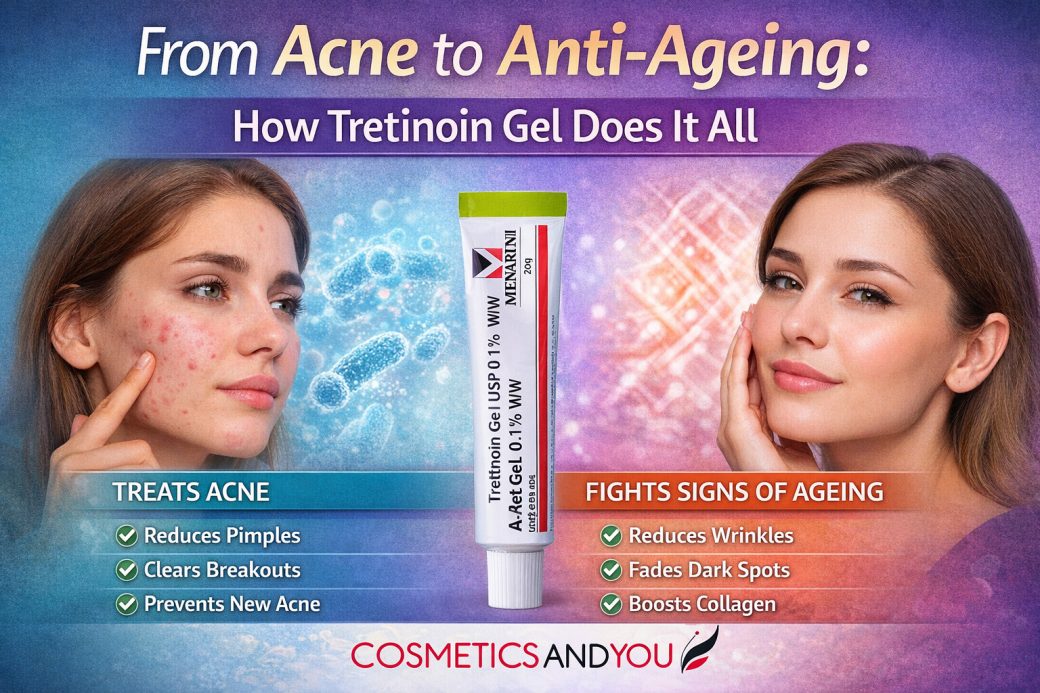
Tretinoin is a generic name for a vitamin A derivative used to treat acne vulgaris. Its beneficial effects in the treatment of acne vulgaris are well known: the topical formulation reduces comedone formation and decreases inflammation in the affected skin. Besides dermatological indications for acne vulgaris, treatment has gained recognition for its powerful anti-ageing benefits. Specifically, it has been shown to improve fine lines, treat mottled hyperpigmentation, and reduce facial roughness. From eliminating stubborn pimples to smoothing fine lines and improving overall skin texture, tretinoin does it all. For decades, tretinoin has long been considered the gold standard treatment. The gel formulation is often preferred by oily and acne-prone individuals for its lightweight texture, non-greasy feel, and easy absorption. It directly targets skin cells, influencing their growth, division, and shedding.
Functions of tretinoin
Acne treatment – Tretinoin, a retinoid, stimulates skin cell turnover. Dead skin cells are shed more quickly, and new skin replaces them. This rapid cell turnover opens skin pores, releasing trapped bacteria and irritants that can cause acne. The topical retinoid also helps regulate sebum production, which can help prevent breakouts. Also, the anti-inflammatory properties help clear pustular acne. Dermatologists often prescribe tretinoin to treat cystic acne (Severe forms of acne) that contribute to boil-like infections on the skin. These appear as deep lesions that result in permanent scarring.
Acne scar – Many dermatologists recommend tretinoin to help heal scarring. Since tretinoin accelerates skin cell turnover, it can promote new cell growth at scar sites. Regular application can lead to a significant improvement in scar appearance, as assessed by dermatologists and patients.
Post-inflammatory hyperpigmentation – A complication of inflammatory skin conditions such as psoriasis, rosacea, and eczema. Tretinoin, when used for at least 12 weeks, results in a significant reduction in hyperpigmentation severity. In general, Tretinoin-based scar management is associated with side effects. Common side effects include photosensitivity, dryness, flaking, and erythema. Most of these side effects are mild and can be managed by adjusting the frequency and dose of this topical medication. Rarely, the medicine may cause severe skin irritation, leading to crusting, blistering, and pigmentation. It is advised to use the gel formulation with caution and seek medical help if any side effects develop.
Mechanism behind anti-ageing effects
What makes tretinoin truly a wonder agent is that the same mechanism that treats acne and prevents acne breakout also serves anti-ageing benefits.
Enhance collagen production – As we age, collagen production (a protein responsible for skin’s firmness and elasticity) naturally slows, leading to concerns like fine lines and wrinkles. Tretinoin stimulates collagen production, helping to reduce visible signs of ageing over time.
Smooths fine lines and wrinkles – Once-nightly application daily improves skin thickness and elasticity. Fine lines, especially around the eyes and mouth, appear less visible.
Improves skin texture – Rough patches, enlarged pores, and uneven texture are commonly associated with ageing skin. Tretinoin promotes rejuvenation by promoting uniform cell turnover, resulting in smoother and more nourished skin.
Even out skin tone – Uneven skin tone due to sun damage, pigmentation disorders, and age spots can make the skin look dull or uneven. Tretinoin gel helps with excess melanin and speeds up the shedding of pigmented skin cells, leading to a more even complexion.
Tretinoin serves a dual purpose
Many skincare formulations claim to offer anti-ageing benefits, but only a few deliver them. One of these wonder skin care formulations is tretinoin, a well-studied agent in dermatology with strong clinical evidence supporting its effectiveness in managing both acne and photoaging.
Dermatologists worldwide recommend tretinoin because it penetrates deeper to address issues at the cellular level and improve how skin functions and regenerates. The retinoid formulation is a long-term investment in skin, not just a temporary fix.
Using tretinoin safely
If you want to use tretinoin gel, always start treatment with a lower concentration. As needed, you can gradually increase the concentration as your skin becomes used to the treatment. To use the retinoid formulation safely and effectively, follow these steps.
- First, cleanse your skin with a mild cleanser or water to remove dirt and makeup, then pat it dry. Be sure to wash yoru hands before applying any skincare formulations to yoru face. Wait for a few minutes to ensure yoru skin is completely dry before applying the medication.
- A pea-sized amount is enough to lightly cover the affected areas. There is no need to apply a thick layer of medication.
- Gently rub the formulation onto yoru face and allow it to absorb. Use your fingertips to evenly spread the gel, avoiding sensitive areas such as the eyes, nose, and lips.
- Tretinoin gel should be applied once nightly before bedtime, as this gives the medication enough time to reach the deeper layers of the skin and improve its function. Make sure you do not apply the medication immediately after using the medicine.
- Additionally, avoid products with drying effects, such as astringents and alcohol-based cleansers. Unless topical formulations are part of a plan discussed with yoru dermatologist, avoid using other topical preparations, such as benzoyl peroxide and sulfur-containing products, while using tretinoin.
- Generally, it may take up to 8 to 12 weeks to see results with tretinoin gel. In case skin seems irritated, consult your dermatologist. If, after 8 to 12 weeks, there is no visible improvement in the skin’s appearance, discuss with yoru dermatologist.
Take away!
Surely, tretinoin deserves the hype it’s getting. Whether it’s acne, pigmentation, or the attenuation of ageing, the topical agent is powerful enough to transform the skin with long-term benefits. But, like any treatment, even a potent one, results come with patience, consistency, and proper use. The effects of A ret Tretinoin gel on the skin can be significant; however, for effective treatment of acne and photoaging, it is always recommended to consult a dermatologist before use.